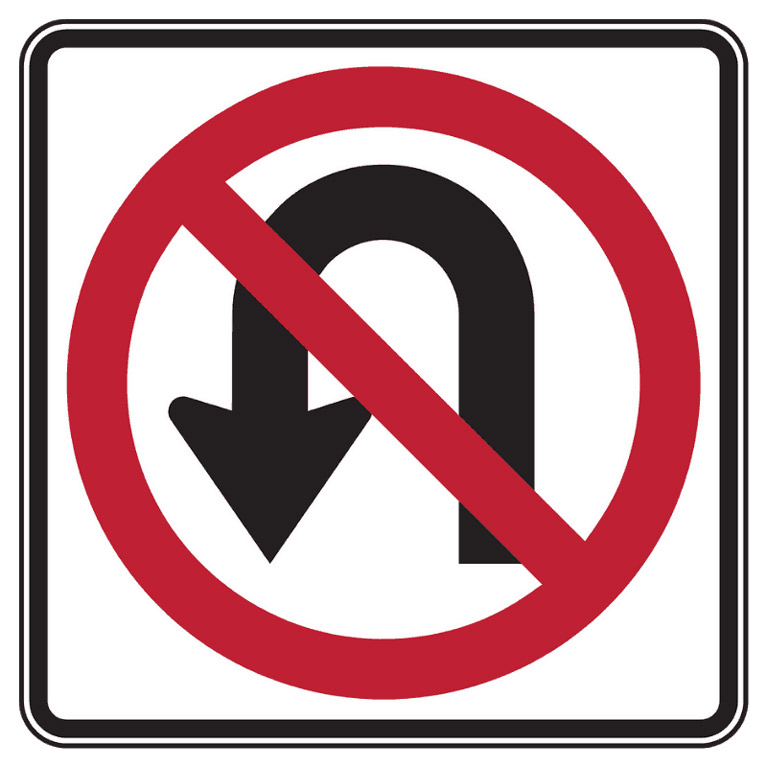

• U-turns in California

U-turns in California: Double Yellows, Intersections, and No U-Turn Traps Explained

Making a U-turn in California might look simple, but the laws that decide when and where you can legally turn around are more specific than most drivers think. Learning these rules helps you stay safe, avoid tickets, and feel confident during your DMV test.
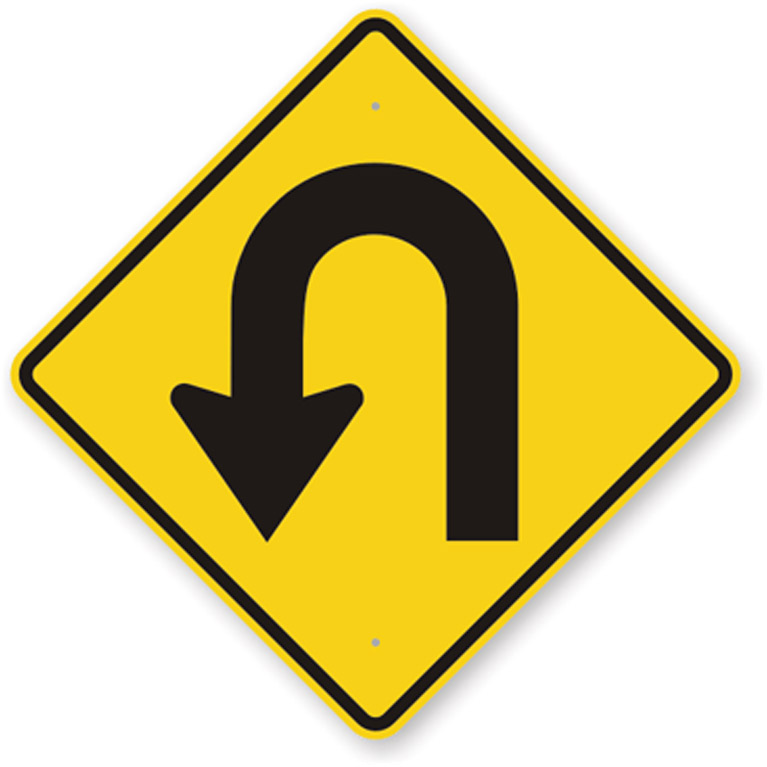
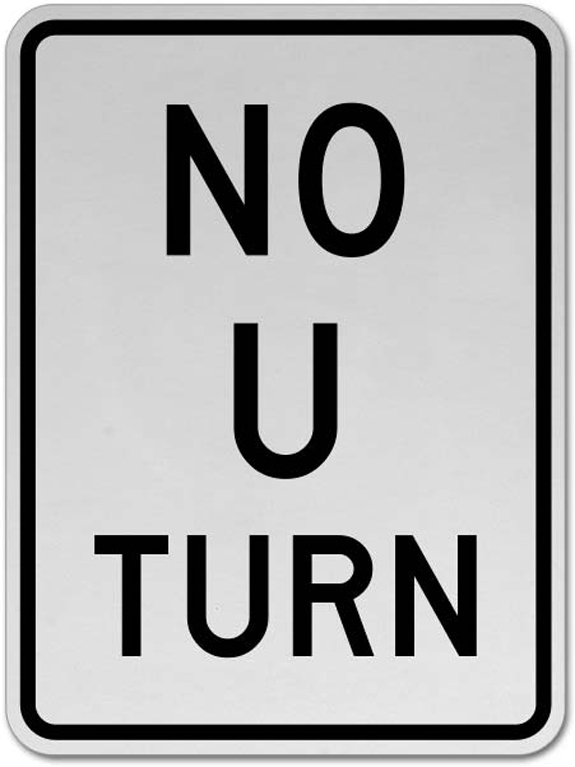
What the Law Allows

California Vehicle Code sections §22100.5 and §22102 explain that drivers may make a U-turn only when it’s safe and no posted sign forbids it.
Start from the far-left lane or a clearly marked center divider opening.

If traffic lights control the intersection, turn only on a green light or green arrow. Never turn on red unless a sign specifically allows it.
Before you turn, make sure you can see at least 200 feet ahead in both directions within city areas or 500 feet on highways or rural roads.
When hills, curves, or parked cars block your view, keep driving until visibility improves. Safety always comes before convenience.

U-turns in California

The Truth About Double Yellow Lines

Double yellow lines confuse many new drivers. They usually mean “no crossing,” but there’s one key exception.
California law lets you cross a single pair of double yellow lines to make a U-turn when:

  • No raised median or second pair of yellow lines (“double-double”) separates lanes,

  • You can clearly see ahead for 200 feet in city traffic or 500 feet on highways, and

  • No sign prohibits the maneuver.

If two sets of solid yellow lines or a raised divider split the lanes, treat them as a barrier you can’t cross.
DMV written tests often include questions on this rule, so understand how lane markings and visibility work together.

U-turns in California

City Streets and Restricted Zones

U-turns are legal at most intersections unless a sign says otherwise, but certain areas have tighter restrictions:

  • Divided highways or raised medians never allow U-turns.

  • Business districts permit turning only at intersections or designated openings—not mid-block.

  • Residential streets usually allow U-turns if visibility meets the 200-foot rule and traffic conditions are safe.

Recognizing how each setting differs helps you answer DMV questions and make safe real-world choices.

Where U-Turns Are Always Illegal

Some areas automatically ban U-turns, even when no sign is posted. Violating these rules can lead to citations and unsafe situations.
Never make a U-turn:

  • Near or in front of a fire-station driveway, whether vehicles are leaving or entering.

  • On a hill or curve, or anywhere you can’t see at least 200 feet ahead (500 feet on highways).

  • Across a divided highway with raised medians or two sets of double yellow lines.

  • In narrow or crowded areas with limited space or poor visibility.

  • At or near a railroad crossing, where turning could interfere with trains.

These restrictions protect everyone on the road by reducing sudden, unpredictable movements in low-visibility areas.
Always read road signs and check your surroundings before deciding to turn around.

U-turns in California

Practice This Rule in Real DMV-Style Questions

Understanding U-turn rules is easier when you see how visibility, lane markings, and signs are tested in realistic situations.
Try California DMV practice questions focused on U-turns and turning restrictions.

Technique and Safe Habits

Even when a U-turn is legal, the way you perform it determines how safe it is.
Signal at least 100 feet before turning, check mirrors and blind spots, and yield to pedestrians and oncoming vehicles.
Start from the leftmost lane and move smoothly into the nearest lane heading in the opposite direction.
Avoid swinging wide, cutting across multiple lanes, or stopping halfway through.
If completing the turn feels unsafe, continue to the next intersection instead of forcing it.

Key Takeaway

Safe U-turns in California rely on three essentials — safety, visibility, and location.
Before turning, always confirm that:

  • No “No U-Turn” sign is posted nearby,

  • You can see 200 feet ahead in city areas or 500 feet on highways,

  • No raised median or double-double divider blocks the way, and

  • You’re not near a fire-station driveway, blind curve, or railroad crossing.

Applying these checks keeps you compliant with California law and ready for DMV test questions.

Real driving situations are easier to master with guided practice and feedback.

Understanding how visibility, lane markings, and restricted areas work builds confidence and safety every time you turn around.